Exploring the realm of patient engagement in healthcare, this article delves into the transformative role played by healthcare digital agencies in enhancing patient interactions and outcomes. Let's uncover the innovative strategies and tools that drive improved engagement and foster lasting connections between patients and healthcare providers.
Why Patient Engagement is Important in Healthcare
Patient engagement plays a crucial role in improving healthcare outcomes by actively involving patients in their own care. When patients are engaged in their treatment plans, they are more likely to adhere to medical advice, leading to better health results and overall well-being.
Enhanced Communication and Collaboration
Patient engagement fosters better communication and collaboration between patients and healthcare providers. This open dialogue allows for a more personalized approach to care, leading to improved treatment outcomes.
Improved Health Literacy
Actively engaging patients in their healthcare empowers them to become more knowledgeable about their conditions and treatment options. This increased health literacy can result in better self-management of chronic conditions and a reduced risk of complications.
Enhanced Patient Satisfaction and Loyalty
By involving patients in decision-making processes and treatment plans, healthcare providers can increase patient satisfaction and loyalty. Patients who feel heard and valued are more likely to continue seeking care from the same provider, leading to better continuity of care and improved health outcomes.
Strategies Used by Healthcare Digital Agencies to Boost Patient Engagement
In today's digital age, healthcare digital agencies are employing various strategies to enhance patient engagement and improve overall healthcare outcomes.
Digital Tools and Platforms Utilized by Agencies
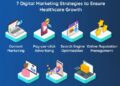
Digital agencies utilize a wide range of tools and platforms to boost patient engagement, such as:
- Telemedicine platforms for remote consultations and virtual care.
- Mobile apps for appointment scheduling, medication reminders, and health tracking.
- Social media channels for health education, awareness campaigns, and community building.
- Personalized patient portals for accessing medical records, test results, and communicating with healthcare providers.
Comparison of Traditional Patient Engagement Methods with Digital Solutions
Traditional patient engagement methods, such as pamphlets, phone calls, and in-person appointments, are being replaced or complemented by digital solutions due to their efficiency and effectiveness. Digital interventions offer:
- Convenience: Patients can access healthcare services and information anytime, anywhere.
- Personalization: Digital tools can tailor interventions to individual patient needs and preferences.
- Engagement: Interactive platforms and real-time feedback mechanisms enhance patient involvement in their care.
- Cost-effectiveness: Digital solutions often reduce healthcare costs associated with traditional methods.
Success Stories of Patient Engagement through Digital Interventions
Healthcare digital agencies have reported numerous success stories of patient engagement through digital interventions, including:
- A significant increase in patient adherence to treatment plans through mobile apps and reminders.
- Improved patient outcomes and satisfaction with telemedicine consultations and virtual care services.
- Enhanced patient education and empowerment through social media campaigns and online resources.
- Better management of chronic conditions through remote monitoring and digital health tracking tools.
Impact of Personalized Communication in Patient Engagement
Personalized communication in healthcare plays a crucial role in enhancing patient engagement by creating a more tailored and meaningful interaction between healthcare providers and patients. By addressing individual needs, preferences, and concerns, personalized communication helps build trust and strengthen the patient-provider relationship.
Benefits of Personalized Communication in Healthcare
- Increased patient satisfaction: Tailoring communication to the specific needs of patients can lead to higher satisfaction levels and improved overall experience.
- Improved health outcomes: Personalized communication can help patients better understand their conditions, treatment plans, and follow-up care, leading to better health outcomes.
- Enhanced patient trust: When patients feel that their healthcare providers understand and care about them as individuals, trust in the healthcare system increases.
Examples of Personalized Communication Strategies
- Customized patient education materials based on individual health conditions and literacy levels.
- Personalized email or text message reminders for appointments, medication refills, and preventive screenings.
- Interactive patient portals that allow patients to communicate directly with their healthcare providers and access personalized health information.
How Personalized Communication Fosters Patient Trust and Engagement
Personalized communication shows patients that their healthcare providers value them as unique individuals with specific needs and preferences. This tailored approach fosters a sense of trust and loyalty, leading to increased patient engagement in their own care. When patients feel heard and understood, they are more likely to actively participate in treatment decisions, adhere to medical advice, and ultimately achieve better health outcomes.
Utilizing Data Analytics for Improved Patient Engagement
Data analytics plays a crucial role in enhancing patient engagement strategies in healthcare digital agencies. By leveraging data, agencies can tailor patient experiences, improve outcomes, and drive better engagement. However, it is essential to consider ethical considerations when using data analytics to ensure patient privacy and confidentiality are maintained.
Benefits of Data Analytics in Patient Engagement
- Data analytics allows healthcare digital agencies to analyze patient behavior patterns and preferences, enabling them to personalize communication and services accordingly.
- By tracking patient interactions with digital platforms, agencies can identify areas for improvement and optimize patient engagement strategies for better outcomes.
- Data analytics enables agencies to measure the effectiveness of patient engagement initiatives, allowing them to make data-driven decisions to enhance overall patient experience.
Ethical Considerations in Data Analytics for Patient Engagement
- Healthcare digital agencies must ensure that patient data is securely stored and used in compliance with regulations such as HIPAA to protect patient privacy.
- It is important to obtain patient consent for data collection and usage, and to be transparent about how their data will be used to build trust and maintain ethical standards.
- Agencies should prioritize data security and continuously monitor and update security measures to prevent unauthorized access or breaches that could compromise patient information.
Last Recap
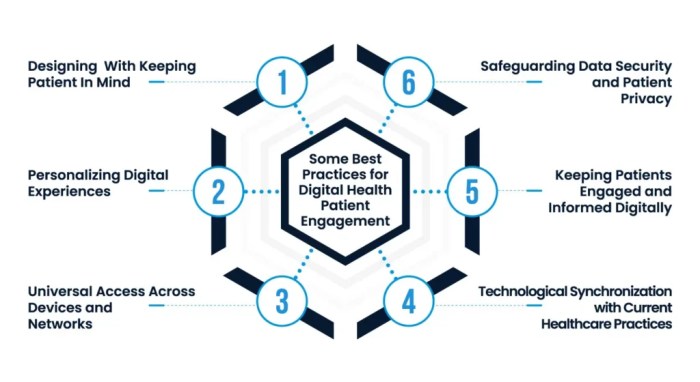
In conclusion, the impact of personalized communication, data analytics, and digital solutions on patient engagement is profound. By embracing these advancements, healthcare digital agencies can continue to revolutionize the patient experience, paving the way for a more connected and empowered healthcare ecosystem.
Question & Answer Hub
How can personalized communication improve patient engagement?
Personalized communication enhances patient trust and engagement by tailoring interactions to individual needs and preferences, fostering stronger relationships.
What role does data analytics play in patient engagement?
Data analytics helps healthcare digital agencies tailor patient experiences, identify trends, and optimize engagement strategies for better outcomes.
How do digital tools compare to traditional methods in boosting patient engagement?
Digital tools offer a more interactive and personalized approach, leading to enhanced patient engagement compared to traditional methods.