Exploring the significance of digital transformation consulting for enterprise growth, this introduction sets the stage for a comprehensive discussion on the topic. It delves into the key aspects and benefits of leveraging digital transformation strategies in today's business landscape.
The subsequent paragraph will provide detailed insights and examples to illustrate the impact of digital transformation consulting on organizational success.
Importance of Digital Transformation Consulting
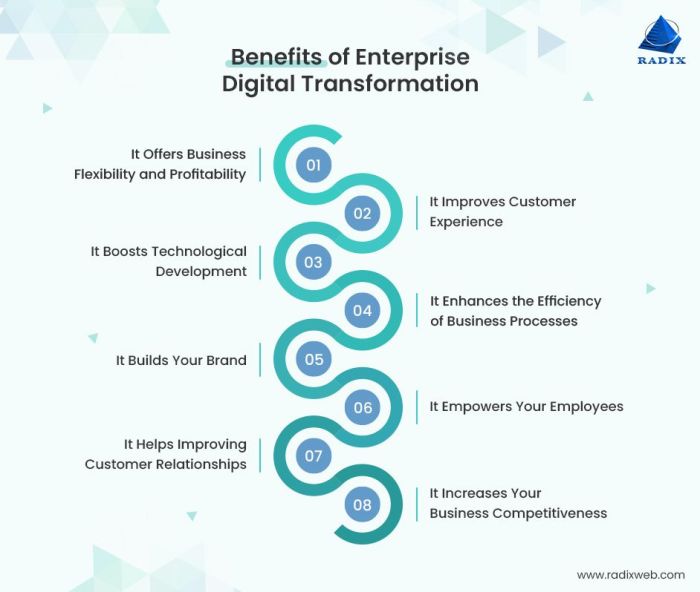
In today's fast-paced business environment, digital transformation consulting plays a crucial role in helping enterprises adapt and thrive in the digital age. By leveraging the expertise of digital transformation consultants, businesses can navigate the complexities of digitalization and stay ahead of the competition.
Driving Growth through Digital Transformation Consulting
- Enhanced Customer Experience: Digital transformation consultants help businesses streamline their processes and technologies to deliver a seamless and personalized customer experience. This can lead to increased customer satisfaction and loyalty, ultimately driving growth.
- Improved Operational Efficiency: By optimizing operations and implementing cutting-edge technologies, digital transformation consulting can help enterprises reduce costs and improve efficiency. This can result in higher productivity and profitability.
- Strategic Planning and Innovation: Digital transformation consultants provide valuable insights and guidance on strategic planning and innovation initiatives. By aligning digital transformation efforts with business objectives, enterprises can foster a culture of innovation and drive growth.
Benefits of Engaging with Digital Transformation Consultants
- Expertise and Specialized Knowledge: Digital transformation consultants bring a wealth of expertise and specialized knowledge to the table, helping businesses navigate the complexities of digitalization effectively.
- Customized Solutions: Consultants work closely with enterprises to develop customized digital transformation strategies tailored to their specific needs and goals. This ensures that businesses can achieve sustainable growth and success.
- Change Management Support: Implementing digital transformation initiatives often requires significant organizational change. Digital transformation consultants can provide valuable support in managing these changes effectively, ensuring a smooth transition and successful outcomes.
Strategies for Implementing Digital Transformation

Implementing digital transformation within an enterprise requires a well-thought-out strategy to ensure success. Here are key strategies to consider:
1. Establish Clear Goals and Objectives
Setting clear goals and objectives is crucial for a successful digital transformation. Identify what you want to achieve through the transformation process and ensure that these goals are aligned with the overall business strategy.
2. Secure Executive Buy-In
Obtain support from top management to drive digital transformation initiatives. Executive buy-in is essential for allocating resources, setting priorities, and ensuring that the entire organization is on board with the transformation process.
3. Invest in the Right Technology
Choosing the right technology is critical for digital transformation success. Invest in tools and systems that align with your business objectives and can support your digital initiatives effectively.
4. Foster a Culture of Innovation
Encourage a culture of innovation within your organization to support digital transformation efforts. Empower employees to embrace change, experiment with new ideas, and continuously improve processes.
5. Focus on Data-driven Decision Making
Utilize data analytics and insights to drive decision making throughout the digital transformation journey. Leverage data to identify trends, measure progress, and make informed decisions that support business growth.
6. Collaborate with External Partners
Engage with digital transformation consulting firms and external partners to leverage their expertise and experience
7. Monitor Progress and Adapt Accordingly
Regularly monitor the progress of your digital transformation initiatives and be prepared to adapt strategies as needed. Stay agile and flexible to respond to changing market dynamics and evolving business needs.By incorporating these strategies into your digital transformation roadmap, you can increase the likelihood of success and drive sustainable growth for your enterprise.
Impact on Business Operations
Digital transformation consulting plays a crucial role in reshaping day-to-day business operations, leading to increased efficiency and improved customer experiences.
Streamlined Processes and Increased Efficiency
- Implementing digital tools and technologies can automate repetitive tasks, reducing manual errors and saving time.
- Integration of systems and data analytics can provide real-time insights, enabling data-driven decision-making for faster and more accurate operations.
- Cloud computing solutions can enhance collaboration among teams, allowing for seamless communication and project management.
Enhancing Customer Experience
- Personalized marketing strategies based on data analysis can target customers more effectively, leading to higher conversion rates and customer loyalty.
- Digital channels such as chatbots and self-service portals can improve customer service by providing instant support and solutions round the clock.
- Data-driven insights can help businesses understand customer preferences and behavior, allowing for tailored products and services that meet their needs.
Overcoming Challenges in Digital Transformation
Digital transformation can be a daunting process for enterprises, often presenting various challenges that need to be overcome in order to ensure successful implementation. It is crucial for organizations to address these challenges effectively to drive growth and innovation in today's digital landscape.
Identifying Common Challenges
- Lack of Clear Vision: One of the most common challenges faced by enterprises is the absence of a clear digital transformation strategy and vision. Without a roadmap in place, organizations may struggle to align their efforts towards a common goal.
- Resistance to Change: Employees and stakeholders may resist the changes brought about by digital transformation, leading to a lack of buy-in and cooperation. Overcoming resistance to change is essential for successful implementation.
- Legacy Systems Integration: Integrating new digital technologies with existing legacy systems can be complex and challenging. Compatibility issues and data migration can pose significant obstacles.
- Data Security Concerns: With the increased use of digital technologies comes the risk of data breaches and cyber threats. Ensuring robust cybersecurity measures is essential to mitigate these risks.
Strategies for Overcoming Resistance to Change
- Effective Communication: Transparent and open communication about the reasons for change and the benefits it will bring can help alleviate fears and resistance among employees.
- Employee Training and Support: Providing adequate training and support to employees to help them adapt to new technologies and processes can increase acceptance and engagement.
- Empowering Change Champions: Identifying and empowering change champions within the organization can help influence and motivate others to embrace digital transformation.
The Importance of Change Management
Change management plays a crucial role in successful digital transformation projects by ensuring that organizational changes are implemented smoothly and effectively. It involves planning, communicating, and executing change initiatives in a structured manner to minimize disruptions and maximize adoption. By focusing on change management, enterprises can navigate the challenges of digital transformation more effectively and drive sustainable growth and innovation.
Last Word
In conclusion, this discussion highlights the essential role of digital transformation consulting in fostering growth and innovation within enterprises. It emphasizes the importance of embracing digital initiatives to stay competitive in a rapidly evolving market.
FAQ
What role does digital transformation consulting play in modern enterprises?
Digital transformation consulting helps organizations adapt to digital advancements, optimize processes, and drive growth through strategic technological implementations.
How can digital transformation consulting streamline business operations?
By identifying inefficiencies, leveraging technology, and fostering a culture of innovation, digital transformation consulting can streamline operations and enhance overall efficiency.
What are common challenges faced by enterprises during digital transformation?
Enterprises often encounter challenges such as resistance to change, integration complexities, and the need for upskilling employees to align with digital transformation initiatives.